Major Arcana · 13
Death
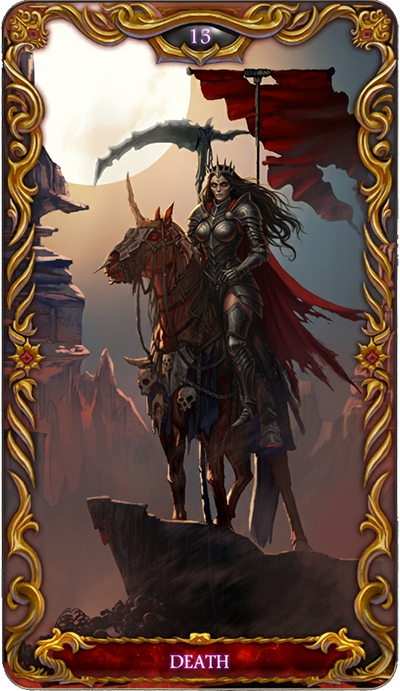
Death tarot card meaning centers on endings, transformation, release, and the honest transition from one life chapter to the next.
- Number
- Four
- Element
- Water
- Zodiac
- Scorpio
- Hebrew letter
- Nun

Death Tarot Card: Meaning, Reversed, Love & Career
What does Death mean?
Death means transformation through ending, release, and transition. It rarely points to literal death in ordinary tarot readings; it describes the closing of a chapter so life can reorganize. Reversed, Death can show resistance, stagnation, or fear of letting an old form dissolve.
Death upright meaning
Upright keywords: endings, transformation, transition, release
Upright, Death is the card of honest endings. It arrives when something has reached the end of its natural usefulness, even if the heart needs time to catch up with that truth. The card is not cruel; it is clear. It says the old shape cannot hold the next version of life.
In the Rider-Waite-Smith image, the armored rider moves forward while figures respond in different ways. The white rose on the banner points to purification, not punishment. The rising sun in the distance reminds us that an ending is also a passage. Death clears what has become lifeless so renewal has room.
In a reading, Death may point to a relationship pattern, job identity, belief, habit, or emotional attachment that is asking to be released. It can feel intense because it does not offer cosmetic change. It asks for the deeper kind: the change that alters how you move forward.
The medicine is surrender without drama. Name what is over. Grieve what deserves grief. Then stop feeding the version of the story that has already completed itself. Death is not the enemy of life; it is one of the ways life keeps becoming true.
Death reversed meaning
Reversed keywords: stagnation, fear of change, resistance
Reversed, Death often shows resistance to an ending that is already visible. You may know a chapter has changed, but still try to keep it alive through habit, fear, guilt, or nostalgia. The result can feel like stagnation: not fully in the past, not fully available for the future.
This reversal can also appear when change is happening internally but has not yet been acted on. The outer situation may look the same, while privately you know your relationship to it has shifted. Death reversed asks you to stop confusing delay with safety.
Sometimes the card points to fear of loss. That fear deserves compassion, especially if the change touches identity, belonging, or security. But compassion is different from denial. If something is complete, pretending otherwise usually increases the ache.
The correction is a cleaner release. You do not have to burn everything down. You do have to stop bargaining with what has already ended. Death reversed asks for courage, closure, and trust that emptiness is not the same as failure.
Death in love and relationships
In love, Death can show a relationship transforming, a pattern ending, or a bond moving through a threshold that cannot be ignored. It may mean closure, but it can also mean the old way of relating must die so something more honest can exist. Reversed, it can show clinging, fear of change, or repeating a finished pattern.
Death in career and money
In career and money, Death points to transition: leaving a role, ending an outdated strategy, changing identity, or clearing work that no longer fits. Reversed, it can show staying too long in a dead structure, delaying a practical pivot, or fearing the short discomfort of necessary change.
Death symbolism
Death is traditionally shown as a skeletal rider in armor carrying a black banner with a white rose. The skeleton represents what remains when illusions fall away. The armor suggests inevitability. The white rose points to purification, and the distant sun shows renewal beyond the ending. The card is stark because transformation is honest.
Correspondences
Death is attributed to Water, Scorpio, and the letter Nun in the Golden Dawn / Book T system.
Death tarot combinations
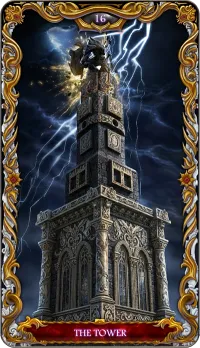 Death + The Tower: a major release may arrive through sudden truth or structural collapse.
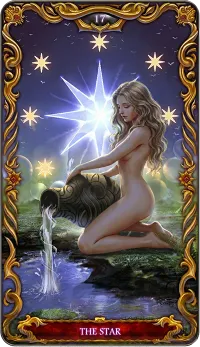 Death + The Star: healing begins after a painful but necessary ending.
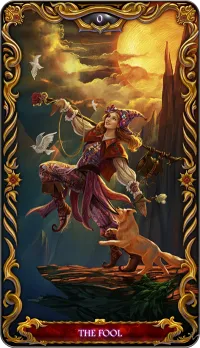 Death + The Fool: a clean ending opens the path to an unfamiliar beginning.
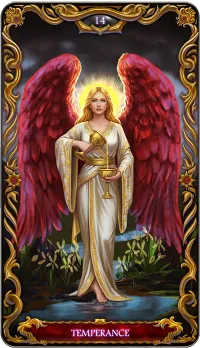 Death + Temperance: transformation needs patience, integration, and emotional balance.
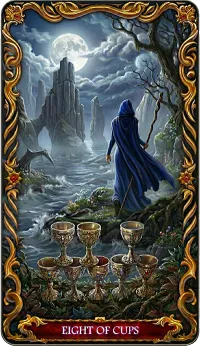 Death + Eight of Cups: walking away is part of the soul’s honesty.
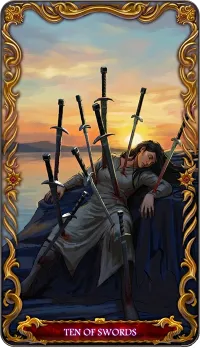 Death + Ten of Swords: the finality is real, but so is the possibility of renewal.
A first-person reading example
I would read Death as an invitation to meet the situation through its cleanest lesson, not its fear-based shadow. If this is about love, I would look at what the card reveals about honesty, timing, and emotional agency. If it is about work, I would ask what practical response would honor the truth without creating unnecessary drama. The next step should feel grounded, specific, and connected to what you actually value.
Frequently asked questions
Is Death a yes or no card?
Death usually answers according to context rather than a simple fixed yes or no. Upright, it supports choices aligned with endings and transformation. Reversed, it asks you to pause when stagnation or fear of change is shaping the situation.
What does Death mean in love?
In love, Death can show a relationship transforming, a pattern ending, or a bond moving through a threshold that cannot be ignored. It may mean closure, but it can also mean the old way of relating must die so something more honest can exist. Reversed, it can show clinging, fear of change, or repeating a finished pattern.
What does Death reversed mean?
Death reversed often points to stagnation, fear of change, resistance. It asks where the card’s core lesson is blocked, exaggerated, avoided, or ready to be reclaimed through a more honest response.
Is Death a bad card?
Death is not a bad card. It describes a real life pattern with mature and difficult expressions. The challenge is to meet the card honestly without fear, denial, or turning the symbolism into a fixed prediction.
What is Death associated with?
Death is associated with numerology 4, element water, zodiac sign Scorpio, and the Hebrew letter Nun. These correspondences add symbolic texture while the reading still depends on context.
What does Death mean for career?
In career and money, Death points to transition: leaving a role, ending an outdated strategy, changing identity, or clearing work that no longer fits. Reversed, it can show staying too long in a dead structure, delaying a practical pivot, or fearing the short discomfort of necessary change.